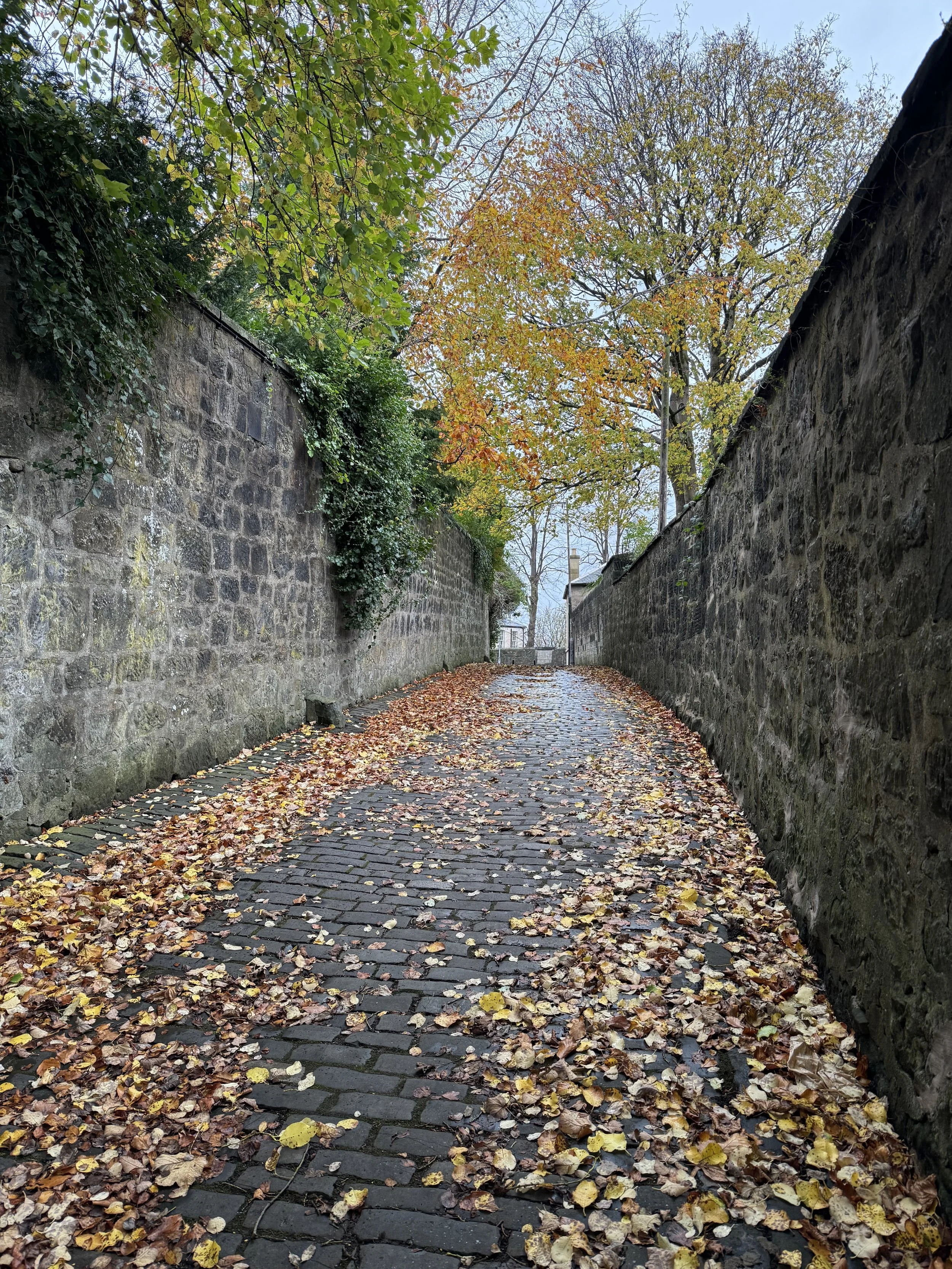
These systems were not built for us, and we can still walk a path with heart
As I reflect on the landscape of mental health care, and the proliferating developments in therapy practices over the last few years, I find myself seeking HEART in the journey to be well. Wellness has a unique meaning for all of us, and while there is an entire manual dedicated to diagnosing mental health disorders, a diagnosis is only a small part of the story when it comes to healing.
As I reflect on the landscape of mental health care, and the proliferating developments in therapy practices over the last few years, I find myself seeking HEART in the journey to be well. Wellness has a unique meaning for all of us, and while there is an entire manual dedicated to diagnosing mental health disorders, a diagnosis is only a small part of the story when it comes to healing.
There is a huge movement in our culture toward recognizing mental health. I can look anywhere on social media and find people talking about neurodivergence, trauma, anxiety, depression and ways to structure our lives and cope. Having a framework for our mood dynamics and neurological functioning can be empowering and helpful at times, as it offers us language to communicate what we experience. It also offers a platform of connection in community, as we can more easily find peers and share resources with each other.
I love that people are talking about mental health and seeking support in their endeavors to live fully and meaningfully. A mental health diagnosis can support people in funding therapy; a diagnosis is a pre-requisite for all treatment paid for by insurance. According to our American capitalized medical model, mental ailments are categorized in the form of defined disorders, which are individual in nature, and can be treated using targeted, operationally consistent, evidence-based practices. Sounds like it could be automated, right? Perhaps this is why we see artificial intelligence entering the scene as a therapeutic facilitator.
We know that reality is much more complex. Humanity does not fit neatly into boxes. We all have unique experiences, identities, beliefs, circumstances, and gifts that are not easily categorized, but are integral in weaving the tapestries of our individual lives. We are also part of a larger culture and environment that deeply impacts our physical, emotional, and spiritual well-being. As we navigate the turbulent waters of imbalanced power, and the resulting harm inflicted on us, our communities, and our Earth, we can see that the endeavor of mental health also requires collective and systemic change.
I want a mental health care model that centers humanity and heart. The structured frameworks of diagnosis and treatment have their purpose and benefit when they are incorporated in the context of a therapeutic relationship. I am weary, though, of how humanity is being intentionally removed from the processes which allow us to access support, and how diagnosis may be exploited to commoditize mental health and maximize profit for a small group of venture capitalists who own insurance companies and telehealth platforms.
The systems that widely supply our mental health care are not built to center our well-being. There are people with heart who work within them, but our mental health systems function much like our medical systems in that they center monetary profit above all. I wonder how we can interact with these systems to benefit our journeys of wellness and minimize harm. I don’t have the answers, but I do deeply resonate with human connection as a catalyst for belonging and healing.
I am reminded of the writings of Carlos Casteneda, in which he claims to quote a Yaqui healer named Don Juan. Casteneda is widely critiqued for this work, and there are many layers to unpack: scholars label his work as fiction, it is unclear if Don Juan was a real person, and Casteneda wrote from his own bias and profited from publishing his versions of Indigenous teachings without an Indigenous identity. Regardless, his experience led him to convey the following message, and I am grateful for the energy of it.
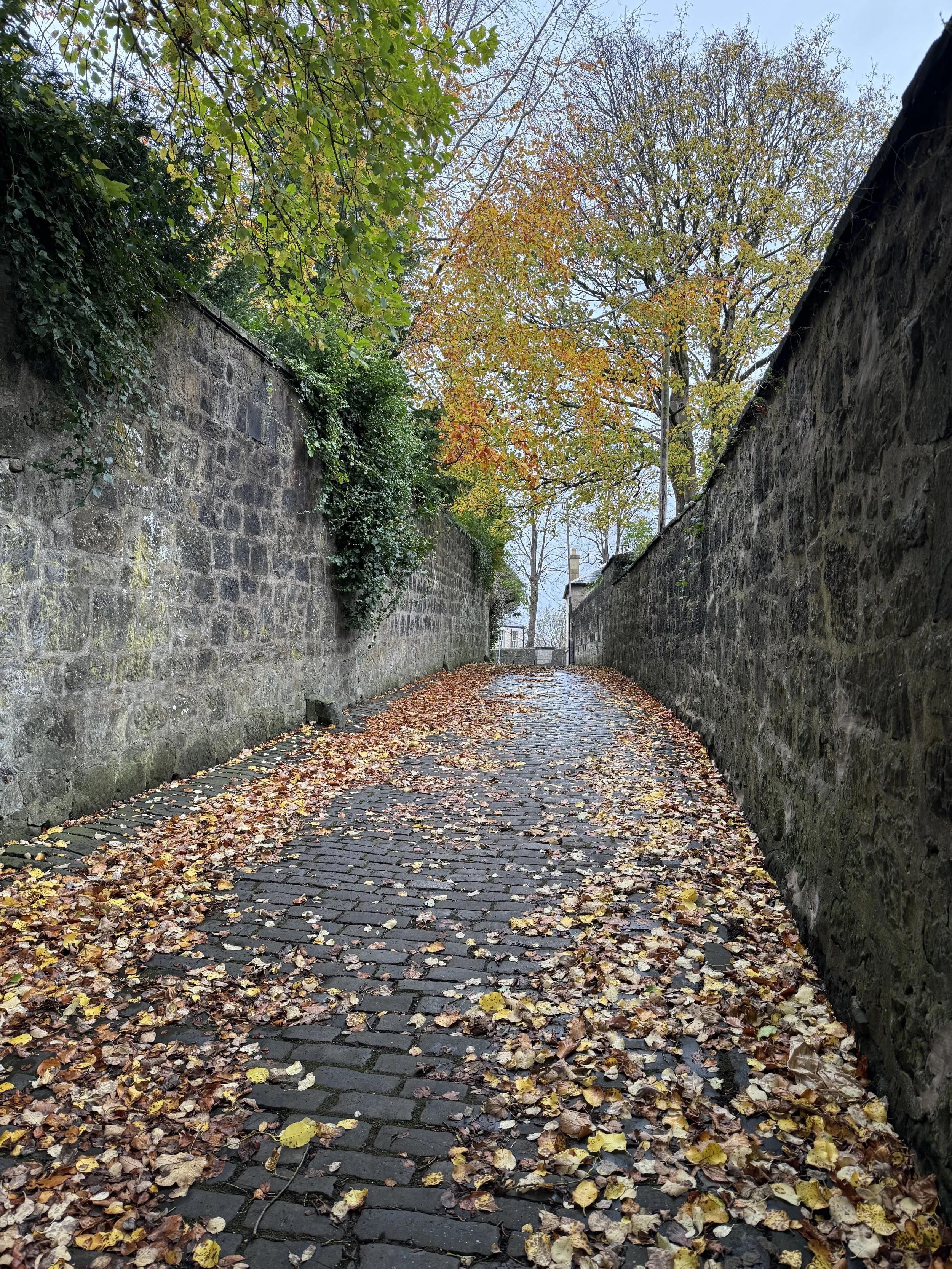
“Does this path have a heart? All paths are the same: they lead nowhere. They are paths going through the bush, or into the bush. In my own life I could say I have traversed long, long paths, but I am not anywhere. Does this path have a heart? If it does, the path is good; if it doesn't, it is of no use. Both paths lead nowhere; but one has a heart, the other doesn't. One makes for a joyful journey; as long as you follow it, you are one with it. The other will make you curse your life. One makes you strong; the other weakens you.
― Carlos Castaneda, The Teachings of Don Juan: A Yaqui Way of Knowledge
We exist in layers of complexity, nuance, and messiness, and I have hope that we can find our way together. I believe in paths with heart, in prioritizing relationships above capital gains.
In any landscape, may we align in meaning and purpose that sustains us, and cultivate belonging that serves our collective wellness.